Midhun P M — Case studyMetroMind
- Python
- FastAPI
- LangChain
- n8n
- Playwright
- Twilio
- GTFS
- Docker
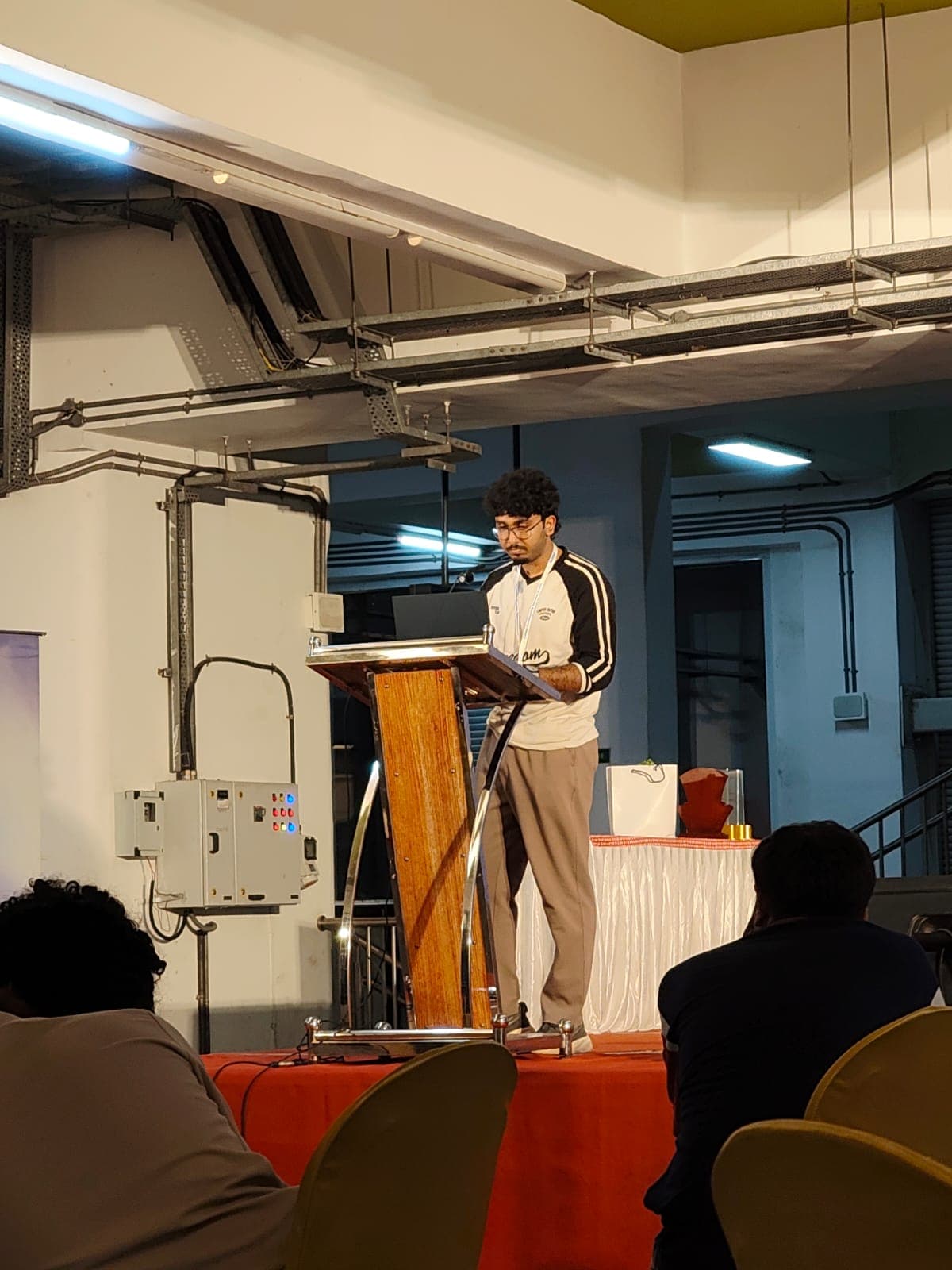
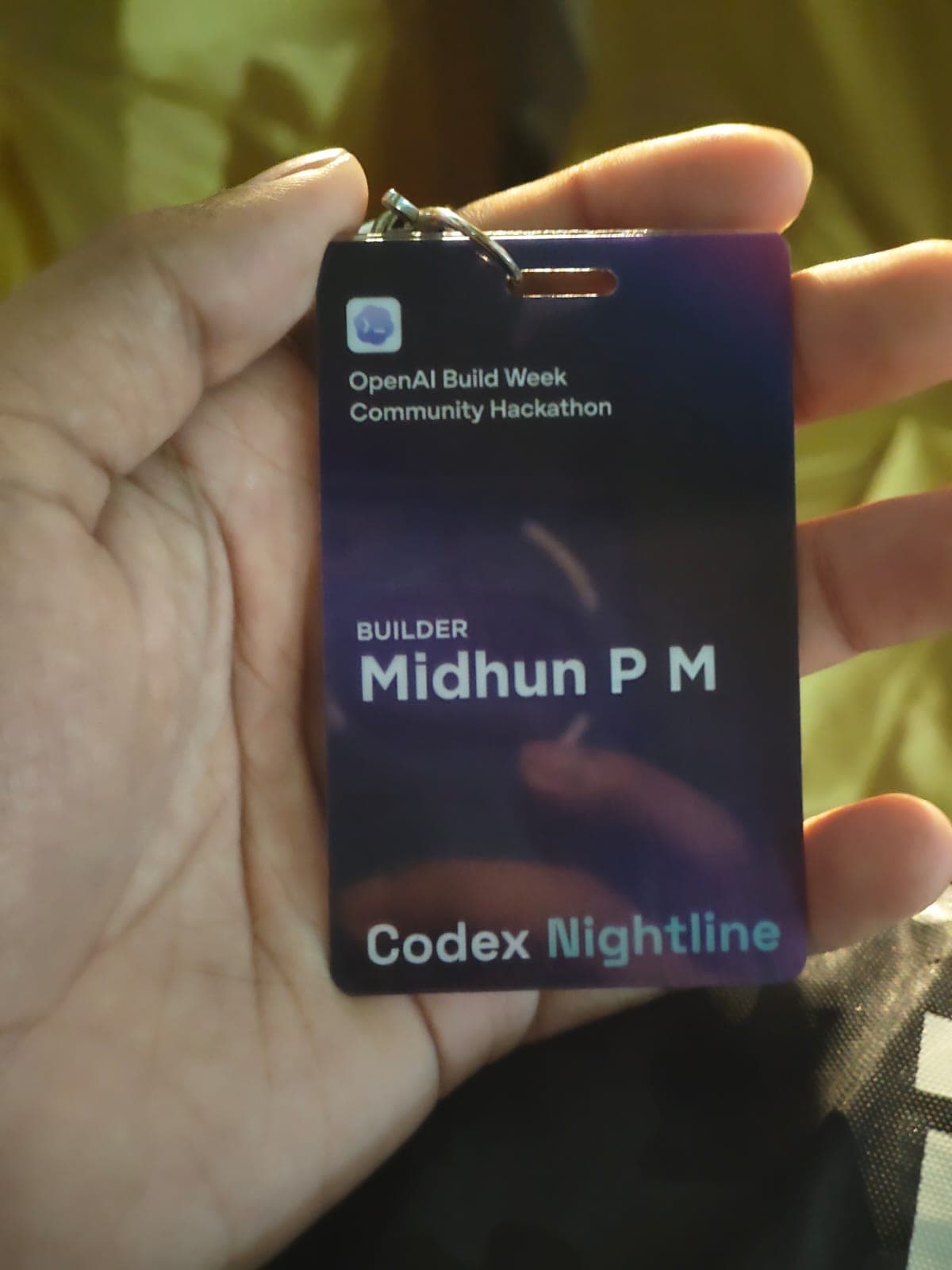
Top 10 Finalist — OpenAI Codex Nightline Hackathon 2026
The problem
I built this at the OpenAI Codex Nightline Hackathon — the Kochi Metro AI Sprint, where 100 builders got to create something inside a moving metro system. The brief was open: make Kochi Metro better with AI.
Here's what annoyed me as a rider: planning a trip means checking station lists, fares, and timings in three different places. Booking a ticket means standing at a machine or fighting a portal that assumes you're on a desktop. And if you ride the same route daily, nobody tells you anything useful until you're already late.
What I built
MetroMind is an autonomous agent that lives entirely in WhatsApp. You talk to it in plain language — "Aluva to MG Road at 6pm" — and it handles the rest:
- Route planning from static GTFS data, with live operational hours, travel times, and the fare matrix. Drop your live WhatsApp location and it finds your nearest station with a Haversine spatial query.
- Actual ticket booking. It drives the official KMRL portal with a headless Playwright browser, gets past Razorpay's bot detection, and hands you a UPI checkout deep-link in chat. One tap, ticket paid, QR pass delivered.
- Recurring commute alerts. "Save my commute — Aluva to MG Road, weekdays at 9am." A cron engine watches saved commutes, cross-references GTFS schedules and OpenWeather data, and pings you 15 minutes before departure.
- Tourist mode. "Half-day for shopping" becomes a time-optimized itinerary mapped against metro stations, with Google Maps links for every leg.
It finished Top 10 at the hackathon.
Tech decisions
Three layers, fully decoupled. Twilio webhooks feed an n8n orchestration layer, which runs a LangChain ReAct brain, which calls a FastAPI execution engine. Each piece is independently replaceable — the n8n workflows are exportable JSON, so the whole agent logic can be rebuilt by importing files.
LangChain ReAct for the brain. The agent keeps conversational memory, decides which tool workflow to invoke (trip planner, booking, commute manager), and asks clarifying questions when intent is ambiguous instead of guessing a station.
FastAPI for the heavy lifting. The kmrl.json GTFS dataset loads into memory at startup, so fare lookups, station lists, and Haversine distance queries are effectively instant. The Playwright booking engine runs here too — stealth parameters and human-like timing to survive Razorpay's anti-bot checks, plus a regex-based extractor that pulls transaction IDs and UPI deep-links out of the DOM.
Docker for deployment. One container builds the FastAPI server with the full Playwright environment baked in. Booking automation has enough dependencies that "works on my machine" was not an option.
What I learned
Agents are 20% model, 80% plumbing. The LLM decided the right tool almost immediately; the rest of the time went into webhook payload normalization, phone number edge cases, and making the booking flow idempotent.
Bot evasion is an arms race fought with timing, not code. What actually worked was behaving like a slow human — realistic delays between actions, proper session handling — not clever tricks.
And WhatsApp is an underrated app platform. No install, no signup, no UI to design. People just got it.
Links
Recognition
MetroMind was built during OpenAI Codex Nightline — the world's first AI build sprint inside a moving metro system. We placed Top 10 out of 100 curated builders.